Why Is My Commercial Roof Leaking?
Commercial roof leaks can develop even when a roof receives regular maintenance. Severe weather, drainage problems, damaged membrane, deteriorated flashing, open seams, penetrations, and aging components can allow water to enter the building.
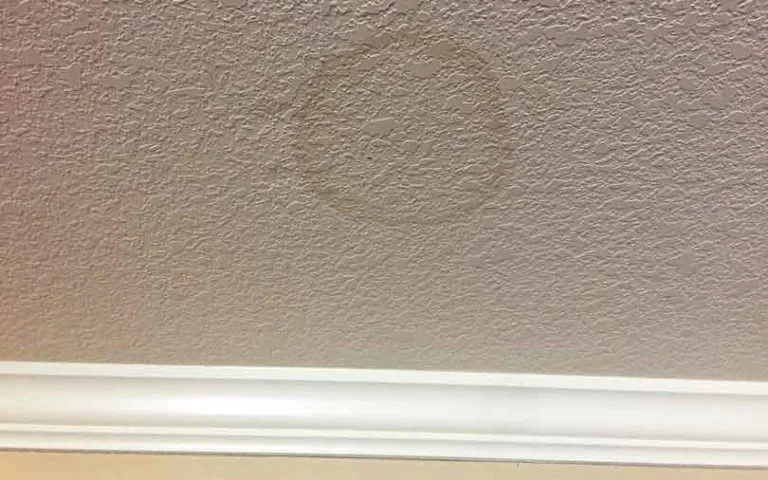
Promptly document the visible leak, protect the interior area, and arrange a professional roof inspection. The location where water appears inside may not be directly below the actual roof defect.
Signs of a Leaking Commercial Roof
Common Causes of Commercial Roof Leaks
Blocked or Inadequate Roof Drainage
Blocked drains, gutters, or scuppers can cause water to remain on the roof. Ponding water may accelerate membrane deterioration, increase stress on the roof assembly, and eventually contribute to leaks. Regular inspections and drainage maintenance help keep water moving away from the buildinBlocked drains, gutters, or scuppers can cause water to remain on the roof. Ponding water may accelerate membrane deterioration, increase stress on the roof assembly, and eventually contribute to leaks. Regular inspections and drainage maintenance help keep water moving away from the building.
Problems Around Roof Penetrations
Roof penetrations—including vents, pipes, drains, HVAC supports, and other equipment—require properly installed and maintained flashing or seals. Deterioration, movement, or installation defects around these areas can create entry points for wateRoof penetrations—including vents, pipes, drains, HVAC supports, and other equipment—require properly installed and maintained flashing or seals. Deterioration, movement, or installation defects around these areas can create entry points for water.
Damaged Roof Membrane
Punctures, open seams, blisters, cracks, and other membrane damage can allow water to enter the roof assembly. These problems may result from severe weather, foot traffic, equipment installation, debris, or normal deterioration over time.
Aging Roofing Components
Commercial roofing materials, seams, flashing, sealants, and drainage components can deteriorate as they age. Their service life depends on the roof system, installation quality, weather exposure, maintenance history, drainage, and building conditions.
Whether an existing roof can be recovered or must be removed depends on applicable building-code requirements, the number and condition of existing roof layers, trapped moisture, deck condition, roof system, and project design. A professional inspection is necessary before selecting a repair or replacement approach.
What to Do When a Commercial Roof Leaks
Take the following steps when water enters your commercial building:
• Protect occupants and keep people away from wet floors, ceilings, and electrical hazards.
• Contain the water safely and protect equipment, inventory, and interior finishes.
• Document the visible water entry and interior damage with photographs and notes.
• Inspect nearby interior areas for additional signs of moisture.
• Contact a qualified commercial roofing contractor to locate the source and evaluate the roof.
• Notify your insurance carrier when the leak may be related to a storm or other covered event.
• Review applicable roofing warranties before authorizing repairs.