Why Commercial Roof Maintenance Matters—even with a Warranty
Commercial roof warranties contain specific terms, exclusions, owner responsibilities, and maintenance requirements. Failure to document inspections or complete required maintenance may affect warranty coverage, depending on the applicable warranty terms.
A maintenance plan does not replace a warranty. It helps building owners monitor roof conditions, address developing problems, maintain documentation, and comply with applicable manufacturer requirements.
Types of Roof Warranties and Why They are Important
A commercial roof is a significant investment, and warranty coverage can help protect that investment when a covered material or installation issue occurs. Coverage, exclusions, duration, remedies, and owner responsibilities vary by warranty.
Building owners should retain their warranty documents and review the specific terms before assuming that a repair, leak, labor expense, or roof component is covered.
When you install a new roofing system, you’ll typically have several warranty options. The three most common types include:
Contractor Roof Warranty
A contractor workmanship warranty addresses qualifying installation-related issues according to the contractor’s written warranty terms. Coverage, duration, exclusions, notification requirements, and available remedies should be clearly stated in the warranty document.
Manufacturer Product Warranty
A manufacturer product warranty may provide coverage for qualifying defects in specified roofing materials. Coverage depends on the product, warranty level, installation requirements, exclusions, maintenance obligations, and the manufacturer’s written terms.
Manufacturer’s Full System Warranty
A manufacturer full-system warranty may cover specified roofing materials, accessories, and approved labor under defined conditions. These warranties typically require installation by an authorized contractor, approved components, inspections, documentation, and compliance with the manufacturer’s maintenance requirements.
Commercial Roof Maintenance and Inspection Schedule
Commercial roofs should generally be inspected at least twice each year—typically in the spring and fall—and after severe weather. The appropriate schedule may vary based on the roof system, age, condition, building use, manufacturer requirements, and previous repairs.
A maintenance visit may include:
- Removing accessible debris
- Checking drains, gutters, and scuppers
- Examining seams, flashings, penetrations, and perimeter metal
- Documenting observed conditions with photographs
- Completing authorized minor repairs
- Recommending additional repairs when necessary
The maintenance plan should define the inspection frequency, included services, reporting, repair authorization limits, and responsibilities of the building owner and contractor.
There are three main types of maintenance contract options:
- A contract that requires the contractors to visit the facility regularly for gutter and drain cleaning along with a visual inspection and report.
- A contract that requires gutter and drains cleaning, debris removal, along with a visual inspection, small general repairs, and a report.
- A contract that requires gutter and drains cleaning, debris removal, along with a full inspection, medium general repairs, roof survey and a report.
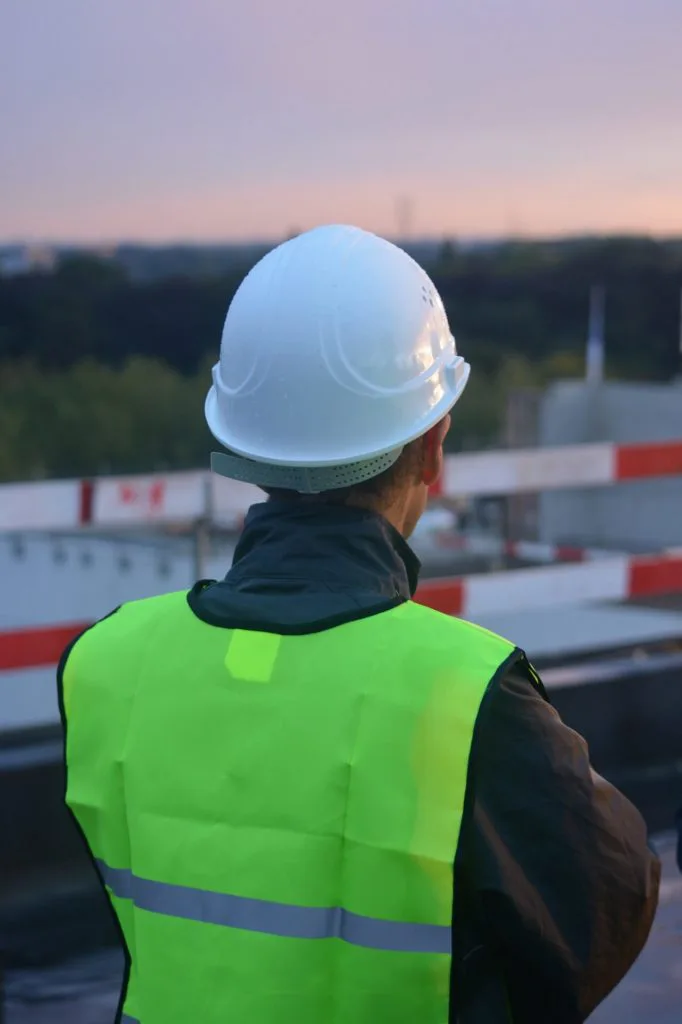
A written maintenance plan creates a consistent inspection and documentation process, helping building owners track roof conditions and plan repairs before problems become more extensive.
Why Maintenance Is Still Necessary When You Have a Warranty
A warranty provides coverage only for qualifying conditions described in its written terms. It does not prevent debris accumulation, drainage problems, punctures, storm damage, deterioration, or damage caused by other building trades.
Regular inspections help identify conditions that may not be covered by the warranty and allow building owners to address minor problems before they cause leaks or more extensive damage. Inspection reports and repair records also provide useful documentation when a warranty claim is submitted.
Colco Roof provides commercial roof inspections, maintenance, repairs, coatings, and replacement recommendations throughout Denver and the Colorado Front Range. Our recommendations are based on the roof system, observed condition, building needs, and applicable manufacturer requirements.