
Commercial Roof Blisters: Causes, Prevention and Repair
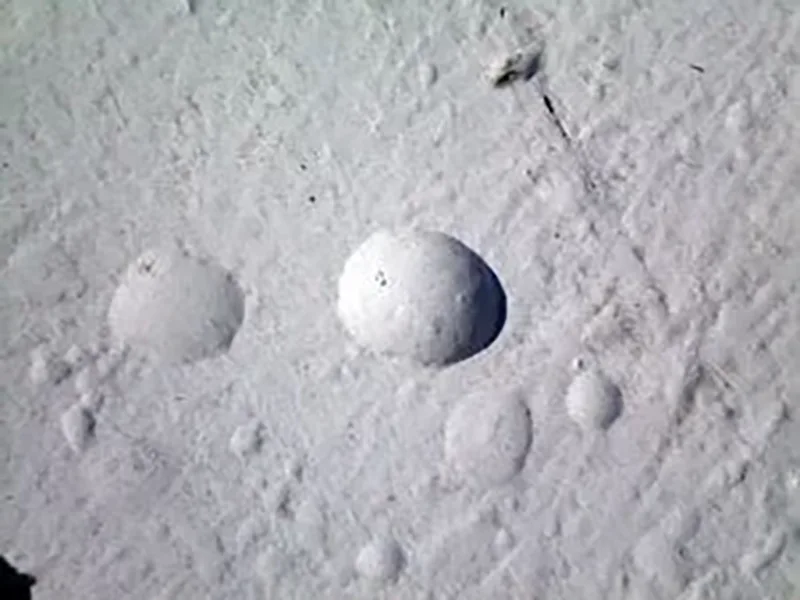
Roof blisters are raised areas that can develop when air, moisture, or gases become trapped within a roofing assembly or when adhesion is lost between roofing layers.
Not every blister requires immediate repair, but each one should be evaluated and monitored. Its location, size, condition, roof system, warranty requirements, and exposure to traffic or further damage help determine the appropriate response.
What Is a Commercial Roof Blister?
A roof blister is a raised area caused by separation between roofing layers or between the membrane and the underlying substrate. The separated area may contain air, moisture, or gases.
Common contributing factors include:
• Moisture trapped during installation
• Damp or contaminated roofing materials
• Inadequate adhesion between roofing layers
• Installation defects or incompatible materials
• Temperature changes that expand and contract trapped air or moisture
A roofing professional should evaluate whether the blister is stable or showing signs of deterioration, moisture entry, cracking, traffic damage, or seam involvement.
How Can Commercial Roof Blisters Be Prevented?
Keep Dry
Roofing materials and substrates should be dry and protected from moisture during installation. Contractors should follow the roofing manufacturer’s requirements for storage, weather conditions, substrate preparation, and moisture limitations.
• Protect roofing materials from rain and ground moisture
• Confirm that the substrate is suitable and sufficiently dry
• Avoid enclosing wet insulation or other moisture-sensitive materials
• Stop installation when weather conditions prevent proper adhesion
Proper Installation
Roofing components must be installed according to the approved roof-system design and the manufacturer’s published instructions. Proper substrate preparation, compatible materials, correct adhesive application, and firm contact between roofing layers help reduce the risk of blistering.
Choose a qualified commercial roofing contractor and confirm that installation conditions, materials, and procedures meet the project specifications and applicable warranty requirements.
Regular Inspections
Regular roof inspections help document existing blisters and identify changes in their size, surface condition, seams, or surrounding membrane. Inspections should also evaluate drainage, penetrations, flashing, and other conditions that may contribute to moisture entry or further damage.
When Should a Commercial Roof Blister Be Repaired?
Not every roof blister should be opened or repaired. The appropriate response depends on the roof system, blister location, condition, moisture presence, warranty requirements, and manufacturer guidance.
Repair may be appropriate when the blister:
• Is cracked, punctured, or admitting moisture
• Affects a seam, flashing, or critical roof detail
• Shows surface deterioration or loss of protective surfacing
• Is located in a high-traffic area
• Is growing or showing signs of recurring movement
• Contains wet materials confirmed through appropriate evaluation
Before authorizing repairs, review applicable warranties and consult a qualified commercial roofing contractor.
How Are Commercial Roof Blisters Repaired?
The repair method depends on the roof system, blister condition, moisture findings, and manufacturer requirements. A contractor may remove the affected membrane, replace wet or damaged insulation, prepare the substrate, and install compatible roofing materials with properly sealed transitions.
Built-up, modified-bitumen, single-ply, and coated roof systems require different repair procedures. Repairs should follow the roof manufacturer’s published instructions and preserve applicable warranty requirements.
Colco Roof evaluates commercial roof blisters and provides appropriate repair, maintenance, restoration, and replacement recommendations for buildings in Denver and the Colorado Front Range.